When does an audio guide with AI make sense?
How you can use AI and text-to-speech technology to create cost-effective, high-quality audio guides for your museum.


Museums are treasure troves of our cultural heritage. They offer vivid and diverse insights into history, science, and research. However, running them is costly and poses financial challenges for many institutions. In Germany, although up to 90% of operating costs are subsidized by the government, museums often still rely heavily on admission fees, donations, and grants.
To ensure their long-term survival, creative ways to generate additional revenue are therefore essential. A particularly user-friendly and modern solution: paid guided tours with Wonnder (formerly Audio-Cult).
The financial burdens of a museum are manifold. An overview:
In addition to public subsidies and entrance fees, donations, sponsorship and store income are established financing components. However, financing remains a major challenge, especially for smaller museums, which are often run by volunteers. This is why additional, sustainable sources of income are a decisive factor in securing the future of museums.
Many museums have long offered traditional audio guides for a fee. But until now, this often meant expensive rental equipment, high maintenance costs, time-consuming projects, or complicated app downloads. Wonnder is revolutionizing this approach. With its web-based solution, accessing the audio guide is as easy as possible:
The idea is as simple as it is effective:
Visitors pay for the guide at the ticket counter and receive a card with a QR code. One scan is all it takes—and the tour starts immediately in their web browser. Thanks to innovative security technology, the link cannot be easily shared with others—effectively preventing misuse. This offers museums a number of attractive benefits:
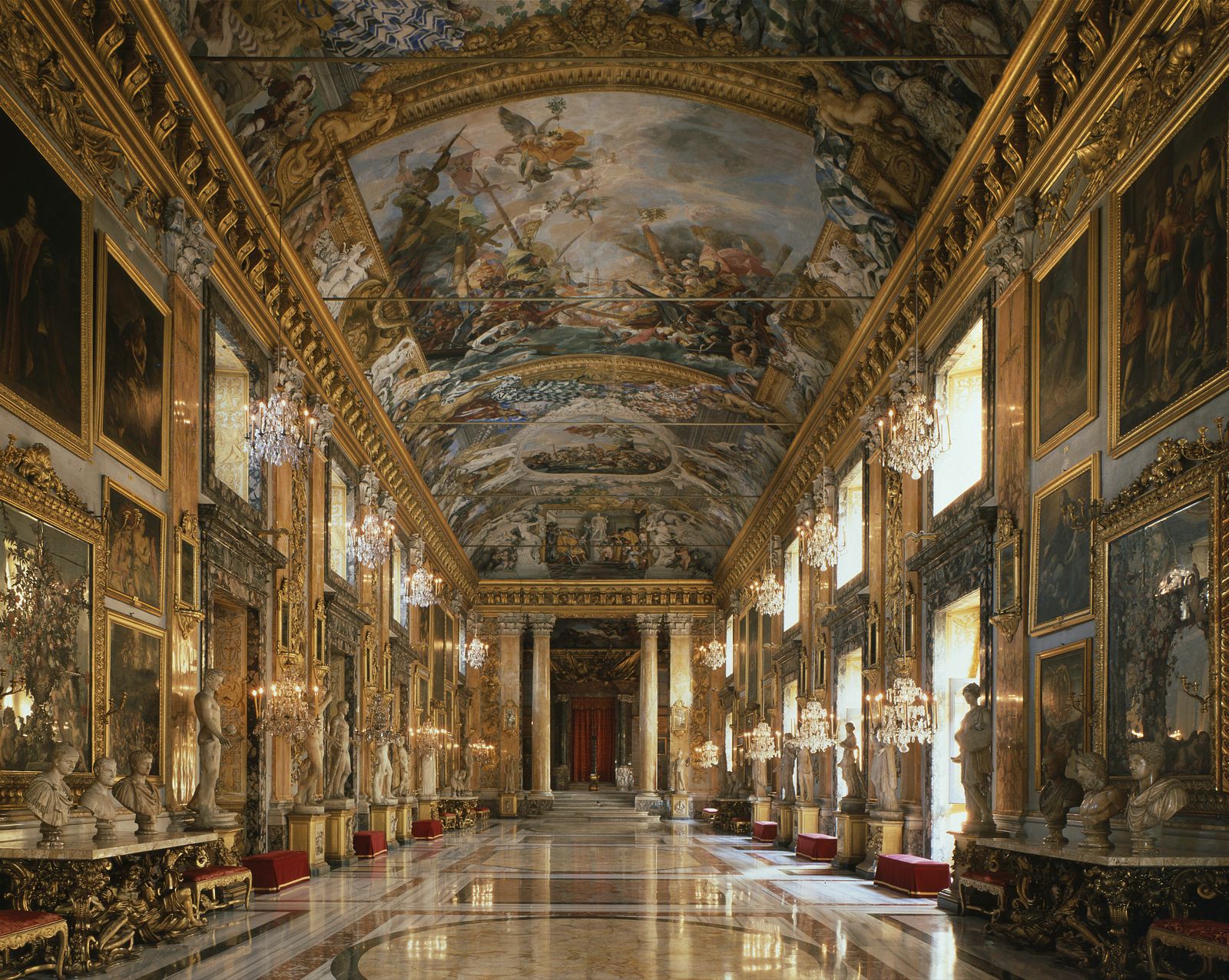
The Galleria Colonna in Rome is already using Wonnder’s paid guide. This not only makes the experience more exciting and educational for visitors, but also allows the museum to generate additional revenue.
With Wonnder’s paid guides, museums of all sizes can not only enhance their educational programs but also tap into new, reliable sources of revenue. This makes cultural education not only easier and more modern—but also more economically sustainable.
How are great audio experiences created?

